UK energy regulator Ofgem recently made headlines by revising the national price cap, which spiked dramatically to 54%. The average UK household is not only eligible for, but likely to, experience a price pinch, as budgets will suffer over energy spending.
As prices surge around energy spending, alternatives will start to feel even more attractive to consumers, as economic and practical benefits will steer UK households away from a reliance on the National Grid.
Why it’s important to prioritise green energy
There has never been a more urgent moment to prioritise sustainability into our everyday living habits, especially for households on tight monthly budgets.
A reliance on traditional energy sources, with price inflations that feel unpractical, could even price out different lifestyles.
There are lots of things that people are doing themselves for a more sustainable, efficient future. From bioethanol fires to heat pumps and solar panels. In this article we’ll talk about why it’s important and what to do.
Reducing carbon emissions to unlock benefits
A focus on reducing carbon emissions not only has environmental advantages, but sustainability can empower households to unlock economic and social benefits too.
In certain counties like the US, for example, these are measurable in a property’s green “credentials”, which is known to create a favourable reputation around corporations who act rather than react to sustainability demands.
The advantages of going green
Clean living is not without its trials and tribulations, where energy alternatives have now begun to truly unlock a rewarding future for households that invest in going green. Whether adopting solar technology or opting to replace windows and limit wasted energy, households should be to try to understand how sustainability can help keep costs down.
Why are more people investing in green energy
The effects of climate change are becoming more visible, from extreme weather events to rising sea levels.
Many households are adopting green energy as a way to reduce their carbon footprint and take tangible action against global warming.
By switching to renewable energy sources like solar panels or wind turbines, homeowners can actively contribute to reducing greenhouse gas emissions.
A Sense of Responsibility
For many people, investing in green energy stems from a sense of moral responsibility.
The idea of “doing one’s bit” for the planet resonates deeply, particularly as governments and scientists emphasise the need for collective action.
Households often feel empowered knowing their energy choices can make a difference, no matter how small.
Inspiring Others Through Action
Adopting green energy is not only about personal contribution; it’s also a way to inspire others.
When neighbours or friends see solar panels on a roof or hear about energy savings from smart technology, it often encourages them to explore similar solutions. This ripple effect amplifies the overall impact of renewable energy adoption.
Financial Benefits of Green Energy
However, while the sense of wellbeing and responsibility drives many people, let’s not pretend that there aren’t also finance benefits to lots of the newer tech.
Solar panels, for example, do have a high up front cost, but tin most cases they can pay for themselves over a longer period through the energy saved.
Let’s explore some reasons.
Lower Energy Bills
One of the most compelling reasons for households to invest in green energy is the potential to save money.
As mentioned above with Solar panels, for instance, they allow homes to generate their own electricity, reducing reliance on the grid.
Government Incentives and Subsidies
The UK government offers various incentives to encourage households to switch to renewable energy, providing an additional income stream. Similarly, subsidies for energy-efficient upgrades make green energy investments more accessible.
Long-Term Cost Efficiency
While the initial investment in green energy solutions can be high, the long-term cost efficiency is undeniable.
For example, solar panels typically pay for themselves within 8 to 12 years, after which the energy they produce is essentially free. Additionally, energy-efficient appliances and smart home systems reduce electricity consumption, further lowering household bills.
Technological Advances Making Green Energy More Accessible
Technological advancements have made renewable energy systems more affordable and efficient. Solar panel efficiency has improved dramatically over the years, meaning households can generate more power with fewer panels.
Similarly, innovations in battery storage allow homeowners to store excess energy for use during peak times, increasing self-sufficiency.
Smart Home Integration
We will talk about this lower down. However, smart home technology complements green energy investments by optimising energy usage.
Devices like smart thermostats, automated lighting, and energy-monitoring systems help households reduce waste and lower their overall consumption. The ability to track and control energy use remotely adds convenience and enhances savings.
Energy Independence and Security
Green energy offers households a degree of energy independence. Generating your own electricity reduces dependence on the national grid, which can be particularly appealing in times of rising energy costs or supply uncertainties.
This sense of autonomy is a significant motivator for many.
Preparing for Future Energy Challenges
With concerns about energy shortages and rising fossil fuel prices, investing in green energy is seen as a way to future-proof one’s home. Households with solar panels and energy storage systems are less vulnerable to price hikes and supply disruptions, providing peace of mind in an uncertain energy landscape.
Enhancing Property Value
Homes equipped with green energy systems are increasingly attractive to buyers.
Features like solar panels, energy-efficient windows, and smart heating systems are viewed as valuable upgrades that reduce running costs.
As energy efficiency becomes a priority for more people, these features can boost a property’s market value.
Meeting Future Standards
Energy performance standards for homes are becoming stricter, particularly as the UK moves towards its net-zero targets.
Investing in green energy now ensures compliance with future regulations, avoiding costly retrofits down the line.
Supporting the Transition to a Greener Economy
By adopting green energy, households play a role in reducing demand for fossil fuels.
This shift supports the broader transition to renewable energy at a national level.
The more people who invest in green energy, the greater the momentum towards cleaner, more sustainable energy systems.
Boosting the Green Economy
Every investment in green energy contributes to the growth of the renewable energy sector. This creates jobs, drives innovation, and strengthens the economy while aligning with environmental goals.
For households, there’s satisfaction in knowing their choices are part of a larger movement towards sustainability.
Health and Well-Being Benefits
The adoption of green energy reduces air pollution, which has significant health benefits.
By decreasing reliance on fossil fuels, households help lower harmful emissions that contribute to respiratory and cardiovascular illnesses.
Psychological Benefits
Switching to green energy often brings a sense of pride and well-being.
Knowing that you are making eco-friendly choices can improve mental health by reducing eco-anxiety and providing a sense of control over your environmental impact.
Overcoming Barriers to Green Energy Adoption
While the upfront costs of green energy solutions can be a deterrent, financing options and government incentives are helping to make these technologies more accessible.
Low-interest loans and grants can offset the expense, enabling more households to take advantage of renewable energy.
Educating and Informing Consumers
Many people are unaware of the financial and environmental benefits of green energy. Increased awareness and access to information are crucial for driving adoption.
Community initiatives and public campaigns play a key role in spreading the message.
A Generation of Smarter Homes
What is a smart home?
A smart home is the concept for a space that uses technology creatively to optimise living standards.
These improvements can be out of convenience, but are more often made to achieve sustainable living, improving the likes of energy performance.
How does a smart home work?
Homes have become “smarter” with energy usage; this includes giving households the creativity and imagination to monitor everyday living habits (and the costs) and even to hone into unsustainable and uneconomic practices.
A smart home helps improve energy efficiency by intelligently managing your devices and systems, often contributing to the use of green energy. Here’s how:
Energy Management
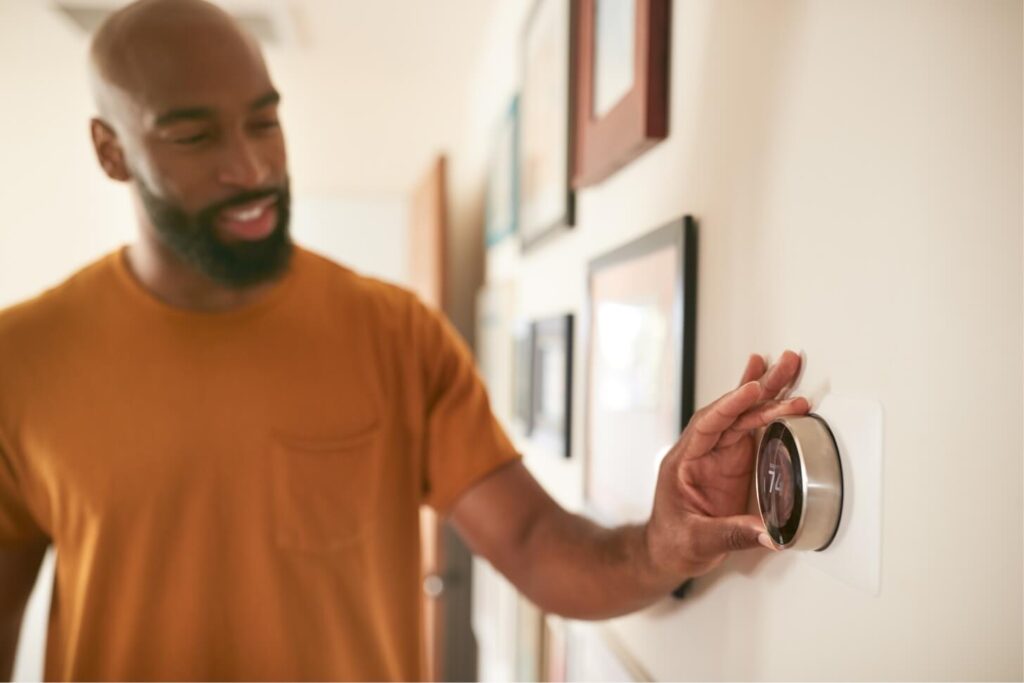
- Smart thermostats learn your schedule and adjust the temperature accordingly, ensuring that energy isn’t wasted heating or cooling empty rooms.
- Appliances such as washing machines, dishwashers, and smart plugs can be scheduled to operate during off-peak hours when energy is cheaper and greener.
- Smart lighting systems ensure that lights are only on when needed. Motion sensors and timers can switch them off automatically in unoccupied rooms.
Green Energy Integration
- Many smart homes integrate with renewable energy systems, such as solar panels or wind turbines, to make the most of green energy. For instance, energy storage systems can prioritise using stored solar power during the evening.
- Energy-monitoring devices provide insights into how much energy you’re consuming and where it’s being used, encouraging more sustainable choices.
Optimising Energy Use
- By analysing real-time data, smart home systems can recommend energy-saving actions, such as adjusting heating settings or reducing standby power for unused devices.
- Some systems can even respond to changes in the electricity grid, prioritising green energy when it’s more available or adjusting consumption during periods of high demand.
Reducing Carbon Footprint
- By optimising energy usage and incorporating green energy sources, smart homes help reduce reliance on fossil fuels, lowering your carbon footprint while potentially saving money.
Empowered to create valuable change, smart homes can transform real estate into a hub of data points that work toward creating sweeping efficiencies in costs, energy spending, and more.
The advance of green tech
The modern household is an example of smarter living, using products like light sensors or temperature controls to regulate an environment.
These tools have the power to improve energy performance, but uptake of green tech is also partly motivated by a desire to enhance a way of living by controlling a home through the convenience of a smart phone or a user’s voice.
Solar Panels Remain a Priority
House trends are constantly evolving over time, but sustainability, which may have felt no different at first, is now such a priority that it affects everything from architecture down to interior design.
Prefab buildings and their role in green energy
Popularity in “tiny” or miniature homes, for example, has been a movement in housing trends that captures how compactness can be utilised to reduce wasteful living habits. Prefab buildings and “cargotecture”, as another example, are emerging as an alternative to the increasingly expensive housing market.
Why solar panel tech continues to grow
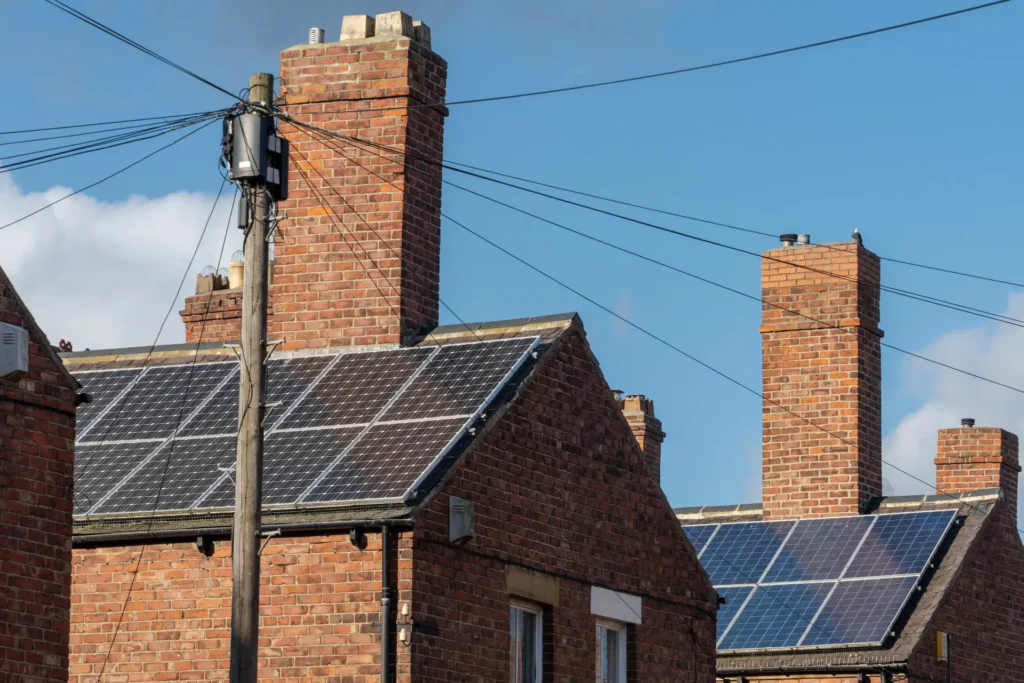
Solar panel technology, an alternative for energising a property, is taken seriously by housing developers and homeowners alike, which is understood to be a sustainable investment.
Modern home construction and green energy
In fact, solar panel technology is becoming inseparable from modern home construction, whereas many as 970,000 UK homes now utilise solar technology installations to farm energy naturally.
Solar and wind are trending upwards
It’s even predicted that solar and wind could source as much as 50% of the UK’s energy in the next 25 years.
Solar products are now more accessible to the market, where this technology is getting uptake by households looking to improve sustainable living practice.
Window Replacements
Energy waste is the common product of older windows, which are failing at offering thermal protection. Homes will need to reduce energy waste through creative design decisions.
Energy loss, from windows alone, can be as high as 25% – 30%, which represents one of the biggest areas of waste.
Window replacements
Window replacements, on the other hand, will use thermally broken frames to seal in energy, preventing it from wasting and, therefore, costing more. A+10 metal windows, for example, won’t compromise on high levels of insulation.
Green energy for households: a summary
Using the mentioned strategies, from harnessing solar energy to getting smarter with technology, can help reduce energy waste. The goal, ultimately, is to make sustainability accessible, economic and convenient for all.