


Carbon monoxide, often called ‘the silent killer’, is a colourless, odourless, and tasteless poisonous gas. Carbon monoxide poisoning can impact anyone and causes fatalities every year.
In 2022-3, fire and gas rescue departments attended over 2,600 carbon monoxide-related incidences in the UK [source: Home Office]. While the number of deaths related to carbon monoxide poisoning has declined in recent years, Carbon Monoxide Awareness Week continues to raise awareness of vital information that can save lives [source: Office for National Statistics].
Table of Contents
Protecting yourself from carbon monoxide poisoning
Most carbon monoxide-related incidents attended by fire and rescue services occur within homes [source: Home Office]. You can protect yourself from carbon monoxide poisoning by making your household as safe as possible, lowering the likelihood of a leak.
Gas safety checks
1 in 5 homes in the UK have unsafe gas appliances, putting them at risk of carbon monoxide leaks [source: Gas Safe Register]. It is recommended that all gas appliances are checked annually. This must be done by a certified Gas Safe Engineer.
The cost of a gas safety check can vary. Some households, such as those receiving means-tested benefits, could be eligible for a free gas safety check. To find out if your household is eligible, contact your gas utility supplier.
Other preventative measures
- Have any gas appliances properly installed and regularly maintained
- Have your boiler serviced regularly
- Keep chimneys and flues clean and well-maintained
- Make sure rooms with gas appliances are well-ventilated
- Don’t leave vehicles or other engines running inside a garage
- Don’t use barbeques or camping stoves indoors or in a tent
Fit and maintain a carbon monoxide alarm
If a carbon monoxide leak does happen, it is important that you are made aware of it as soon as possible. In 2020/21, only 53% of households with a solid fuel-burning appliance such as a gas stove had a carbon monoxide alarm [source: Office for National Statistics]. Every room containing a gas appliance should have a carbon monoxide alarm.
Standard smoke alarms do not detect carbon monoxide. Audible alarms are generally recommended and can be purchased at most major DIY outlets; specialist alarms are also available. Black spot detectors are not recommended because they have no alarm to alert you to danger.
It is also important to maintain your alarm. Carbon monoxide alarms typically have a lifespan of 5-10 years. To make sure that your alarms are functional, it is recommended to test them every month. Any gas appliances should be maintained regularly, as alarms may not detect very low levels of carbon monoxide.
Identifying a carbon monoxide leak
Signs in the home that might indicate a carbon monoxide leak:
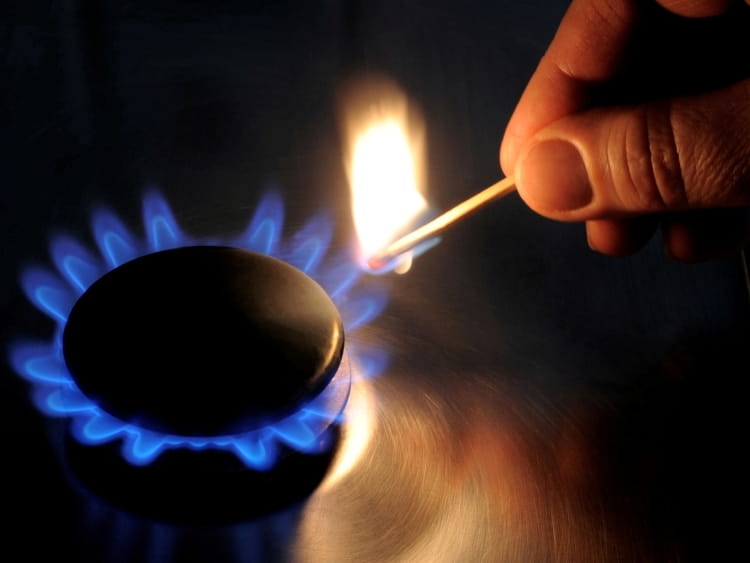
- Gas fire emitting lazy yellow flames instead of crisp blue flames
- Pilot lights that frequently extinguish
- Hissing or whistling sounds
- Dust/dirt/debris at the base of the fireplace
- Increased condensation inside windows
- Sooty marks on the front cover of the fire, or on walls near stoves, boilers, or fires
Symptoms of carbon monoxide poisoning
Knowing the symptoms allows you to recognise and act immediately, should you or someone else be affected by carbon monoxide poisoning.
Symptoms of carbon monoxide poisoning can include headaches, nausea, flu, breathlessness, dizziness, feeling weak, confusion, chest and muscle pain, collapse, and loss of consciousness.
Symptoms may lessen when you leave the home, and others may experience them simultaneously. Children, pregnant people, people with diseases that affect the delivery of oxygen to the brain, and older people can experience more severe harm from carbon monoxide exposure.
Pets can also experience symptoms. If they begin displaying unusual behaviour, such as aggression, anxiety, vomiting, and fear of noises, children, or other animals, this may signal carbon monoxide poisoning.
What to do if you suspect a carbon monoxide leak
- If you suspect a carbon monoxide leak, leave the house as soon as possible.
- To have the leak investigated, call the National Gas Emergency Helpline at 0800 111 999.
- If it is safe to do so, turn off the gas appliance. Ventilate the space by opening the doors and windows.
- If you think you have been exposed to carbon monoxide, contact your GP, or call NHS 111. If it is an emergency, contact emergency services on 999.
Conclusion
In summary, Yes, you should be concerned about carbon monoxide because it is a dangerous, invisible gas that can be life-threatening. Taking action, such as installing and maintaining carbon monoxide alarms, getting regular gas safety checks, and following preventative measures, can significantly reduce the risks and help keep your home safe





