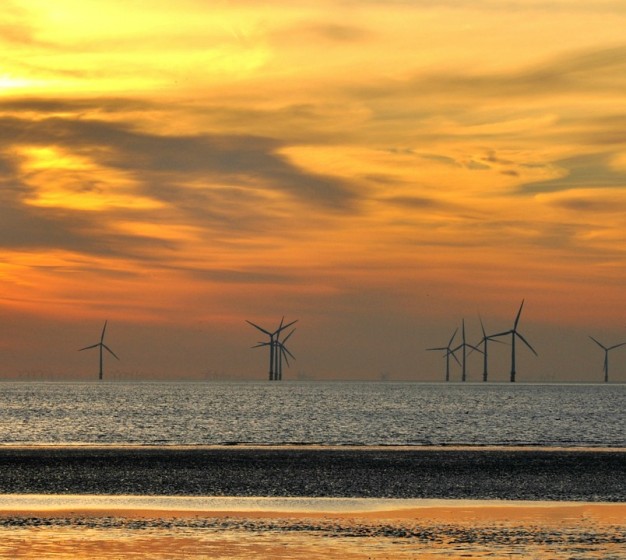
Earlier this year, we reported how wind power generated 14 gigawatt hours of electricity for the first time, making up nearly 37% of the UK’s energy needs. The country also managed more than two days without using any coal-fired power for the first time in more than a century.
According to EnAppSys, an energy market analyst, the second quarter of 2018 saw 28.1% of the UK’s electricity being generated by renewable energy sources. This figure is in sharp contrast to the 5.9% generated in renewables in Q2 of 2010.
The new UK renewable energy percentage (wind and solar) record can be attributed to sunny weather and high winds this season.
How was this renewable energy generated?
- Wind farms: Continued to provide the UK’s highest renewable energy percentage. 9.5 terawatt hours (TWh) of electricity were produced by wind farms. In Q2 2018, 45% of all renewable energy was provided by wind capacity – 18% from offshore wind projects, and 27% from onshore wind projects.
- Solar farms: The record UK renewable energy percentage was also made up from solar farms, which produced 5.2 TWh of energy. Solar farm energy was boosted by spring and summer’s longer daylight hours as well as the sunny conditions in June.
Where does most of the UK’s energy come from?
Gas continues to be the main source of the UK’s power, with about 40.7% of the UK’s energy in Q2 2018 coming from gas-fired plants. Coal, on the other hand, produced only 1 TWh (1% of the overall electricity generation), since carbon tax and relatively low gas prices have made it more cost-effective to generate power from gas plants than coal-fired stations.
And for the first time, the UK has powered over 1,000 hours of electricity demand without the use of coal.
A breakdown of where the UK’s electricity came from in Q2 2018
- 40.7%: Gas-fired power stations
- 28.1%: Renewables
- 22.5%: Nuclear plants
- 1.3%: Coal-fired power stations
- 7.4%: Electricity imports
Source: EnAppSys
Why the increase in renewable energy generation?
- New large offshore wind farms added significant levels of new wind capacity.
- More solar installations.
- Summer 2018 has been the fifth sunniest on record.
- Higher wind speeds than 2017.
The UK plans to phase out coal entirely by 2025, and it looks like we are well on our way of doing so! In the meantime, the UK renewable energy percentage is expected to grow from about 29% of electricity generation in 2017 to 75% by 2030.
It's important to note that this data does not include interconnectors for distributed generation. Therefore, rooftop and other decentralised solar PV or wind are not counted as part of these figures.
Find an installer of renewable energy near you.
*This article has been amended on Thursday 30th August 2018 to correct three errors in grammar and terminology, brought to the author's attention by our readers.