Sandra Hayes
A recent home visit to conduct an energy assessment served to remind me of the importance of energy efficiency improvements being installed in the right order. Doing them in the wrong order results in missed opportunities, damaging the integrity of work already done, sub-optimal outcomes and more expense and mess than necessary.
My aim in this blog is to help you at the start of your journey to making your home more energy efficient and comfortable to live in. We will look at what to consider when moving in, solid wall insulation, floor insulation, window replacement, the install of a renewable heating system and solar electricity.
When you move in
Some of us have big ambitions for our new home, particularly if its older and been neglected in the past. We might have plans for new kitchens, bathrooms, loft conversions and extensions, as and when our budget allows. There is nothing wrong with this, but it will pay dividends in the longer term, if you take a moment to consider what else you new home might need by way of energy efficiency improvements. Sadly, these do not have the same visual impact, but they will make a substantial difference to how comfortable your home is and how much it costs to heat, particularly if your home was built pre-1980’s.
Doing energy efficiency improvements alongside other building work is both cost effective and practical, reducing the number of times you must live through the mess, dirt and chaos that goes with having work done to your home.
Solid Walls
If your house was built pre-1920 it is likely to have solid walls. These will benefit from insulation, either applied internally or externally. Technically, external wall insulation works better than internal, but this is not always possible if you are in a Conservation Area or if there are other constraints on what you can do externally. If your home is going to need internal insulation, then this should be done before having a new kitchen, bathroom, boiler installed, as you will want the insulation to go behind your new kitchen units, bath, boiler etc. and not around them.
Floor Insulation
If you live in a home built before the 1950’s you are likely to have at least some suspended timber floors on the ground floor. Often these are at the front of the house. Back rooms like kitchens often have uninsulated solid floors. To insulate suspended timber floors, it is likely that some of the floorboards will need to be lifted to access the space below. It therefore makes sense to do this before floors are sanded or carpets laid.
Solid floors will need to be dug up for insulation to be installed without raising the floor level too much. It therefore makes sense to do this before new flooring is laid and before the installation of new kitchen units.
If your home needs both internal wall insulation and floor insulation, the floor insulation should be tackled first, so there is no gap in insulation in the space below the floorboards.
Window Replacement
If your home has single glazed windows or double-glazed windows which are cold and draughty you maybe thinking of replacing them. However, it is an expensive job and you maybe tempted to leave this while you focus on other work. If you are taking this approach, the main thing to avoid is have wall insulation done first, particularly externally. If you do this, remedial work will be necessary to the wall insulation to repair the damage that taking the old windows out will cause (all of which will add to the cost).
In addition, there is the risk that some areas around the new windows will have less insulation than the rest of the wall resulting in cold spots susceptible to condensation and mould.
Renewable Heating System
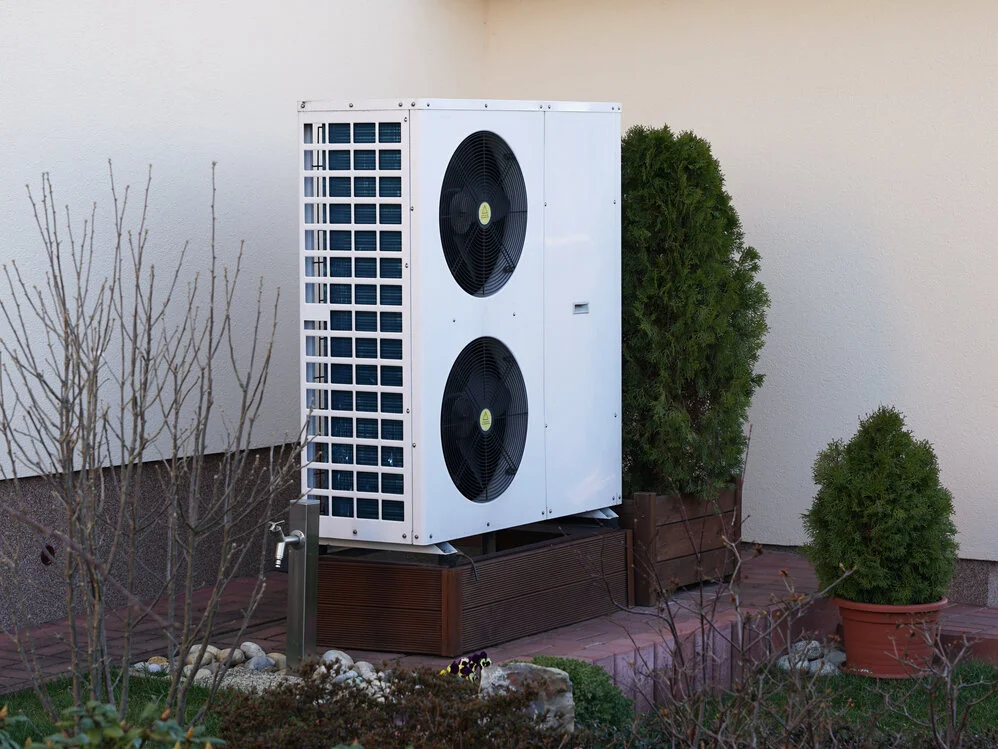
Many people are starting to think about having an Air Source Heat Pump (ASHP) installed at some point. If you are interested in taking this step, there are a few things that you can do in advance to make the install easier. The first of these is underfloor heating. If you have underfloor heating installed this will enable you to run your heat pump at a lower temperature (due to the greater surface area) which is a more efficient way to run an ASHP. If you are already thinking that some of the existing radiators needs to be moved or replaced and/or you are having solid floor insulation installed you might consider switching to underfloor heating now, rather than waiting to do this when you have your ASHP installed.
The second thing to consider is where there will be space for a cylinder if you have an ASHP. If you already have one, then this is not a consideration, but if you do not, you will need to consider where there will be space for this, particularly if you are about to have a new kitchen or bathroom fitted.
Solar Photovoltaic (PV)
If you are planning a loft conversion or an extension and think that you may want to have solar PV installed at the same time or later, it is worthwhile considering where skylights and dormer windows will be positioned, particularly on south facing roofs (and to a lesser extent east and west facing roofs). With each 400w panel taking up about 2m2, you will want to have at least 10m2 of unshaded space if you want to have enough space for a solar PV array.
Summary
There is a lot to think about when planning to make your home more energy efficient and comfortable to live in, particularly if you are planning a lot of other work at the same time. Getting professional advice on how to make your home more energy efficient is a sensible first step something that the National Energy Foundation can offer through their SuperHomes project. For anyone living in Bedfordshire or Hertfordshire this is currently free of charge. Contact them on superhomes@nef.org.uk if you would like more information.