Rhiannon Beail
Autumn is well and truly upon us. As the sun begins to set on summer, the upcoming climate changes can evoke a variety of feelings.
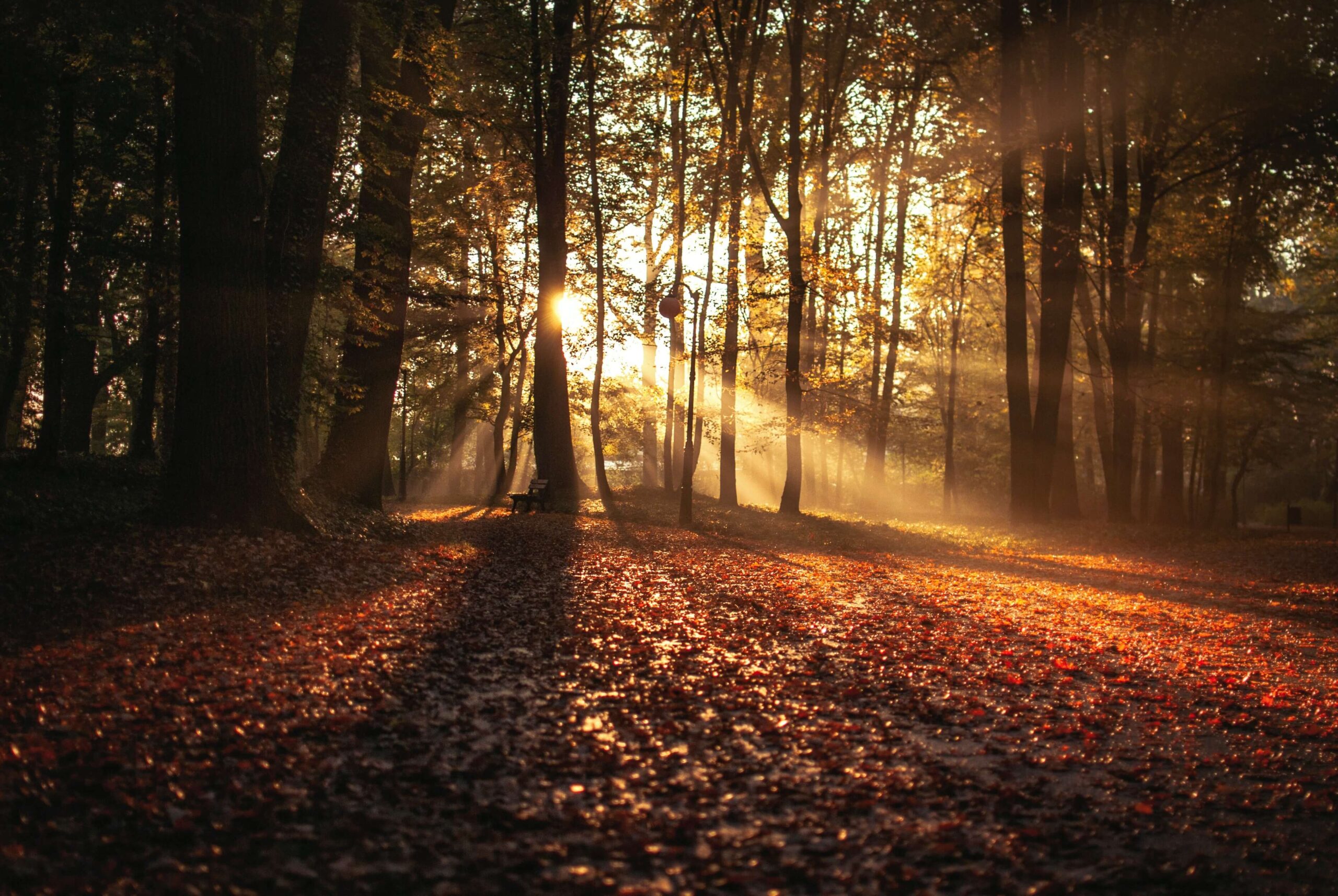
In many ways, Autumn comes with much to appreciate. The wash of colour that sweeps parts of the landscape, the migratory bird species that return to our shores, and A LOT of comfort food! Some people live for the ‘cozy’ aesthetic that seems to sweep social media feeds around this time of year, getting lost in an old book in front of a roaring fireplace whilst sipping on hot chocolate. Sounds very romantic, right? However, for a lot of us, this is not the reality of autumn and winter, not all the time at least. Grey skies full of drizzle, wet pavements and a cold that likes to linger a little too long may sound more familiar. The next few months can also create a lot of feelings of stress, anxiety, and sadness.
As everything slows down and we retreat indoors for shelter, warmth, and security, the cost-of-living crisis becomes far more prevalent. It is important to acknowledge that many people faced financial struggles long before this all began, but now it seems to be affecting more of us than ever. Whether you love or loathe the colder weather and dark nights, for most of us this means using more energy, and thus, higher bills. Despite recent falls in wholesale energy prices, according to Ofgem, as well as the predicted drop in the energy price cap, we all know this is simply not enough, and more support is needed. If you are struggling, do contact your provider to see what help is available to you.
It is not unusual for me to struggle at this time of year, particularly once the clocks have changed. I find it difficult to embrace the dark nights. On top of this, the cost of living and trying to prioritise my mental health can make the onset of the new season feel daunting. Despite this, nature continues to be my light in the dark.
Immersing yourself in nature can do us a lot of good. According to the mental health charity, Mind, the great outdoors can be beneficial in a variety of ways for both our physical and mental health. That being said, there are a lot of variables which determine how often we are able to take advantage of this. Growing up in a low-income household on the edge of Bristol, my family tried our best to make the most of our surroundings and get outside. I wanted to share with you some small, everyday things to try at this time of year. They don’t require being an expert (I’m not) or need any high-tech equipment. You may feel some are more appealing or accessible, so adapt them in ways to best suit you.
Feed the Birds
If you have access to a garden or balcony or even just a window, put out some bird food and see what species you attract. You don’t even have to buy a feeder – you can use a plastic bottle or even just a piece of string would do. This guide from the Royal Society for the Protection of Birds (RSPB) contains useful information about what to feed and when. Although I don’t really have space to do this where I live, when I visit my family, the simple pleasure of watching the birds come down to eat is not lost on me.
Go Outside
Walk, run, jog, ride, whatever works for you. This can be anywhere: a local park, community garden, beach, around the streets or your local area, even your own back garden. If you wish to, invite someone else to join you. Just remember to be safe!
Let the Light in
Sit by the window, open the curtains or blinds, and let the light in. Even on dark days, just having a view of the world outside can be comforting, and at times very interesting. Depending on where you live, the variety of flora and fauna you might see, even in urban areas, could surprise you. I’ve seen Sparrowhawks, Peregrine Falcons, Foxes, and Badgers in some of the busiest parts of the city.
Pay Attention
Although you might find yourself outside as part of your everyday routine, it’s easy to have your head down and not absorb your surroundings. Look up and around! Use your senses to look and listen intently. Embrace the colours. The more you do, the more you might learn to identify a birdsong, or a type of wildflower or insect. I like to write down what I see, a habit I picked up from my late grandad. I look back at the days and remind myself of any encounters with nature. It allows me to reconnect with those feelings I experienced that day, whether that be excitement, curiosity, contentment, or comfort.
For more ideas on how to use nature to support you during difficult times, see https://www.mind.org.uk/information-support/tips-for-everyday-living/nature-and-mental-health/ideas-to-try-in-nature/.
I turn to nature whenever I need a helping hand, and it doesn’t charge me a penny.
‘’Autumn is a second spring when every leaf is a flower’– Albert Camus.