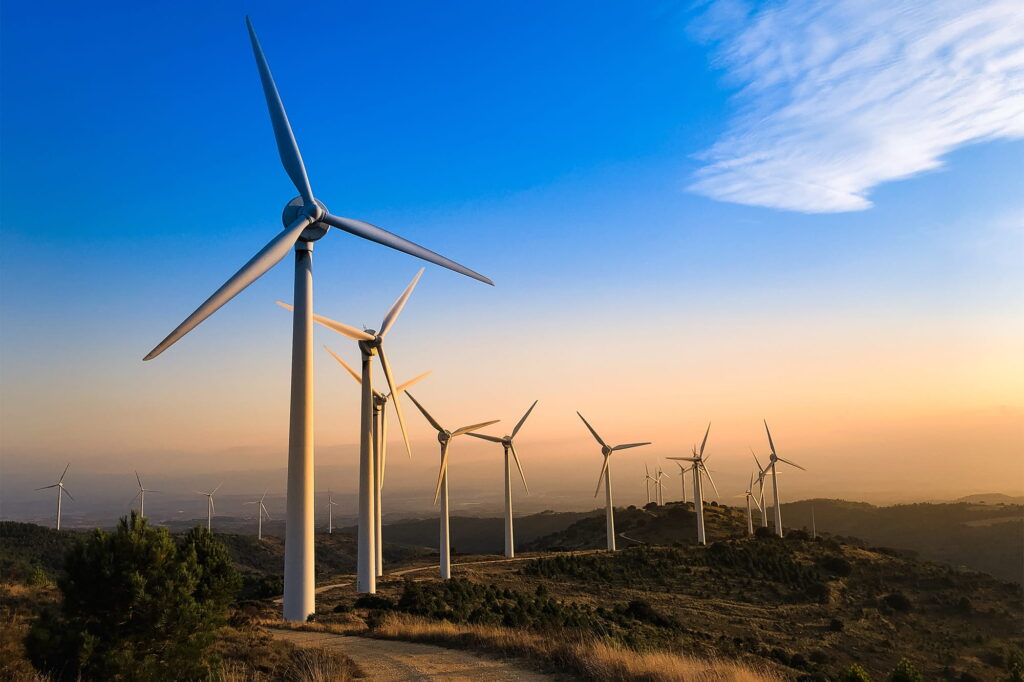
As the world increasingly shifts towards renewable energy, wind turbines have emerged as a key player in the quest for sustainable power. These remarkable machines convert the kinetic energy of wind into electricity, contributing significantly to the global energy mix. In this post, we’ll explore the advantages and disadvantages of wind turbines, delve into the trends shaping the industry, and touch on home wind turbine kits for those interested in harnessing wind power at a smaller scale.
Wind turbines come in various sizes and types, including horizontal-axis and vertical-axis designs. They can be deployed in large wind farms that generate electricity for the grid or as smaller systems for residential use. The growing interest in renewable energy solutions has made wind turbines a focal point of innovation and investment.
Table of Contents
Advantages Of Wind Turbines
- Renewable Energy Source: Wind is an inexhaustible resource, making it a sustainable choice for electricity generation. Unlike fossil fuels, it won’t deplete over time. Wind energy helps prevent 346 million metric tons of CO2 emissions each year, which is comparable to the emissions produced by 76 million cars.
- Low Operating Costs: After the initial investment, wind turbines have low maintenance and operational costs, allowing for long-term savings on energy production.
- Reduced Greenhouse Gas Emissions: Wind energy generation significantly lowers carbon emissions, playing a crucial role in combatting climate change.
- Job Creation: The wind energy sector creates numerous jobs in manufacturing, installation, and maintenance, contributing to local economies. Over the past decade, wind energy has attracted $148 billion in investments. In 2023 alone, the industry allocated $10 billion to new projects.
- Potential for Combined Use: Wind energy can be integrated with other renewable sources, like solar, to create a more resilient energy system.
Wind turbines come in various sizes and types, including horizontal-axis and vertical-axis designs. They can be deployed in large wind farms that generate electricity for the grid or as smaller systems for residential use. The growing interest in renewable energy solutions has made wind turbines a focal point of innovation and investment.
Disadvantages Of Wind Turbines
- Initial Installation Costs: The upfront costs for purchasing and installing wind turbines can be significant, particularly for larger systems. The cost of a small turbine can range from $3,000 to $35,000 installed, depending on factors such as size, intended use, and service agreements with the manufacturer.
- Space Requirements: Wind farms require considerable land, which may compete with agricultural or residential uses.
- Impact on Wildlife: Turbines can pose threats to local wildlife, particularly birds and bats, raising environmental concerns.
- Infrastructure Needs: Wind energy often requires substantial infrastructure investments, such as roads and transmission lines, to transport the generated power.
Trends in Wind Turbines
The wind energy sector is rapidly evolving, driven by technological advancements and changing market dynamics. Here are some of the latest trends:
- Increased Efficiency: Innovations in turbine design have led to more efficient models that can generate energy at lower wind speeds, making wind power accessible in a wider range of locations.
- Smart Technology Integration: Many modern turbines come equipped with smart technology, allowing for real-time monitoring and optimization of energy production.
- Community Wind Projects: More communities are banding together to invest in larger wind turbines, sharing the costs and benefits, and creating local energy solutions.
- Offshore Wind Development: Offshore wind farms are gaining traction due to their ability to harness stronger and more consistent winds, providing a significant boost to renewable energy generation. Development of a semi-submersible platform that simplifies installation and increases the feasibility of larger offshore turbines.
- Unlocking New Potential: Technological advancements could unlock 80% more economically viable wind energy capacity in the U.S., particularly in underutilized regions.
Home Wind Turbine Kits
For homeowners interested in tapping into wind energy, home wind turbine kits provide a practical solution. These small-scale turbines allow individuals to generate electricity for their use or contribute to the grid. By generating your own electricity, you can significantly cut your utility bills. In some cases, homeowners can achieve energy independence or even receive payments from their utility companies for excess energy produced.
The cost of home wind turbine kits can vary significantly based on size, brand, and installation requirements. On average, you can expect to pay between £3,000 to £8,000 for a small turbine capable of generating 1-10 kW. Here’s a breakdown of potential costs:
- Turbine and Tower: £3,000 – £7,000
- Installation: £1,000 – £5,000 (depending on complexity)
- Additional Components: Inverters, batteries, and other accessories may add another £1,000 – £3,000.
While the upfront investment can be substantial, many homeowners find that incentives, rebates, and tax credits can significantly offset these costs. It’s essential to research local regulations and available financial assistance before making a purchase.
Homes with renewable energy systems, such as wind turbines, can appeal to eco-conscious buyers and increase property values while providing energy security against price fluctuations and outages, particularly in remote areas. However, initial costs can be a barrier, despite incentives. Wind turbines also require adequate space and height, making them less suitable for densely populated regions. While newer models are quieter, concerns about noise, visual impact, and the intermittent nature of wind energy may necessitate backup sources.
Conclusion
Wind turbines represent a vital component of the transition to renewable energy, offering numerous environmental and economic benefits. While challenges remain, ongoing advancements and a growing commitment to sustainable practices position wind energy as a cornerstone of the future energy landscape. For those considering a more personal approach to renewable energy, home wind turbine kits provide an exciting opportunity to harness the power of the wind at home. As we move towards a greener future, the role of wind energy will undoubtedly continue to expand.