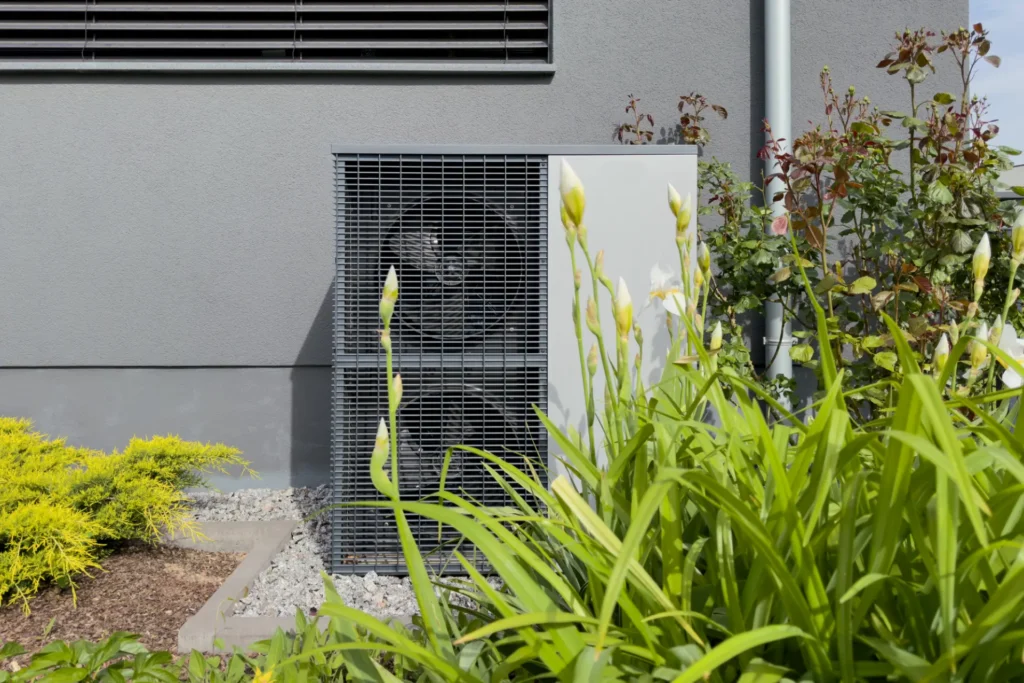
The heat pump boiler is becoming a popular alternative to traditional heating systems. But what exactly is a heat pump boiler, and how does it work? In guide, we’ll compare them to gas boilers and combi boilers, examine their costs, and discuss their advantages and disadvantages.
What Is a Heat Pump Boiler?
First up, a heat pump boiler is a renewable energy heating system designed to heat your home by transferring heat from the outside air, ground, or water into your home.
More energy efficiency
Rather than generating heat by burning fuel, it uses a small amount of electricity to move heat, making it highly energy efficient.
There are two main types of heat pump boilers:
- Air-source heat pumps: These extract heat from the air outside, even when temperatures are low.
- Ground-source heat pumps: These draw heat from the ground via a network of underground pipes.
They are considered eco-friendly because they rely on renewable energy sources.
Instead of relying on gas or oil, they capture and use ambient heat from the environment to keep your home warm and your water hot.
How Does a Heat Pump Boiler Work?
The key to how a heat pump boiler works lies in its ability to transfer heat from one place to another. It operates similarly to a refrigerator but in reverse.
Here’s the process:
- Heat absorption: The heat pump absorbs heat from the air, ground, or water using a refrigerant fluid.
- Heat compression: The refrigerant is compressed, which raises its temperature.
- Heat transfer: The heat is then transferred into your home’s heating system (underfloor heating, radiators, or hot water storage) to warm your space.
- Cooling down: The refrigerant cools down, and the process repeats.
This cycle is highly efficient because, instead of generating heat, the system moves existing heat, resulting in significantly lower energy consumption compared to traditional boilers.
Heat Pump Boiler vs Gas Boiler
When comparing a heat pump boiler to a gas boiler, there are several key differences to consider.
Both systems aim to heat your home, but the way they do it, the cost, and their environmental impact vary widely.
Advantages of Heat Pump Boilers Over Gas Boilers
- Energy efficiency: It can achieve efficiencies of over 300%, as they use less energy to transfer heat than gas boilers use to generate it.
- Lower carbon emissions: Because they don’t burn fossil fuels, heat pumps reduce your home’s carbon footprint.
- Future-proofing: As governments push towards renewable energy and phase out gas boilers (especially in new builds), heat pumps align with future sustainability goals.
Disadvantages of Heat Pump Boilers Compared to Gas Boilers
- Higher upfront cost: Higher initial purchase and installation cost compared to gas boilers.
- Slower heating: Heat pumps work more slowly, providing consistent but lower-temperature heat over time, whereas gas boilers can heat your home more quickly.
- Home suitability: Homes with poor insulation or incompatible radiators may not see as much benefit from a heat pump system as well-insulated homes with underfloor heating.
Heat Pump vs Combi Boiler
Combi boilers are a popular choice in many homes due to their ability to provide hot water on demand without the need for a hot water storage tank.
But how does a combi boiler compare to a heat pump boiler?
Let’s have a look at the differences…
Differences Between Heat Pumps and Combi Boilers
- Space requirements: Combi boilers are compact and ideal for smaller homes where space is limited, whereas heat pump systems may require additional outdoor or underground space. This comes with rules and regulations about distance from boundaries etc.
- Hot water delivery: A combi boiler provides instant hot water, while a heat pump system may need a hot water storage tank, meaning it takes longer for the water to heat up.
- Energy efficiency: Heat pumps are more energy-efficient than combi boilers, especially when paired with underfloor heating or large radiators designed for lower temperature heating.
Heat Pump vs Combi Boiler Disadvantages
- Higher upfront cost for heat pumps: While combi boilers are generally cheaper to install, heat pumps are more expensive, though you could save more on energy bills over time.
- Suitability: Combi boilers may be better suited for smaller homes with lower hot water demands, whereas heat pumps are ideal for larger homes or homes with space for water storage tanks.
How Much Is a Heat Pump Boiler?
The cost of a heat pump boiler can vary significantly based on the type of system (air-source vs ground-source), the size of your home, and the complexity of the installation.
Here’s a rough breakdown of costs:
- Air-source heat pump boilers: Typically range from £6,000 to £12,000.
- Ground-source heat pump boilers: Cost more due to the additional excavation work needed, usually between £10,000 and £18,000.
Factors That Affect Heat Pump Boiler Costs
- Installation complexity: Ground-source systems require digging trenches or boreholes, which increases the labour cost.
- System size: Larger homes need more powerful heat pump systems, increasing both the equipment and installation costs.
- Government incentives: The UK government offers grants, such as the Boiler Upgrade Scheme, which can significantly offset the cost of installing a heat pump boiler.
While the upfront cost of a heat pump boiler is higher than traditional gas or combi boilers, the long-term savings in energy bills can make it a worthwhile investment over time.
Heat Pump Boiler Cost Disadvantages
Despite the long-term savings, there are still some disadvantages when it comes to heat pump boiler costs:
- Initial cost: The high upfront price of a heat pump boiler can be a significant barrier for many people.
- Installation challenges: For ground-source systems, the installation requires significant space and may disrupt your garden during the process.
- Payback time: The savings on energy bills may take years to recoup the initial investment, depending on your home’s energy usage and the system you choose.
Heat Pump Boiler vs Standard Boiler: Which Is Best for You?
When choosing between a heat pump and a traditional boiler, it’s important to weigh up several factors, including cost, efficiency, and your home’s requirements.
When a Heat Pump Might Be Best:
- If you’re focused on sustainability: Heat pumps are significantly better for the environment and will future-proof your home for the government’s transition away from fossil fuels.
- If you have a well-insulated home: Homes with high levels of insulation benefit most from the lower but consistent heat provided by heat pumps.
- If you want long-term savings: Despite the higher upfront cost, heat pumps can save you money on energy bills in the long run, especially with rising gas prices.
When a traditional option may be best:
- If your home isn’t well insulated: Heat pumps may not provide sufficient heat for homes that leak warmth, whereas a gas or combi boiler can heat these homes more effectively.
- If you need instant hot water: Combi boilers provide hot water on demand, whereas heat pumps may require a hot water tank that takes time to heat up.
- If upfront cost is a concern: Gas and combi boilers are cheaper to buy and install, making them more affordable for many people.
Conclusion: Is it right for you?
They offer an energy-efficient and eco-friendly alternative to traditional heating systems.
While they come with a higher initial investment, the long-term savings on energy bills and the reduction in carbon emissions make them an attractive choice for those looking to make their home more sustainable.
Comparing the options
When comparing with a traditional gas or combi boiler, consider factors like your home’s insulation, your hot water needs, and your budget.
In the long run, it could be the key to reducing your environmental impact while enjoying lower heating costs.