


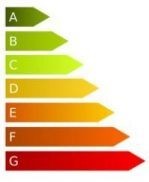
As you may already know, an Energy Performance Certificate (EPC) is required whenever a property is built, sold or rented under the Energy Performance of Buildings (England and Wales) Regulations 2012. An EPC illustrates a property’s energy use and costs, as well as providing recommendations about how to reduce these. In this blog, we explore the upcoming changes to legislation this year and highlight how this is likely to affect tenants within the home.
From 1 April 2018, ‘landlords of domestic privately rented properties in England and Wales may not grant a tenancy to new or existing tenants unless the property has an EPC rating of E or above. From 1 April 2020 this will apply to all private rented properties even when there has been no change of tenancy.
However, it’s important to note the following exemptions:
· If all relevant improvements have been made but the property remains below an E rating
· If the recommended wall insulation measure would damage the fabric or structure of the building
· If making improvements to the energy efficiency of the property would result in a reduction of more than 5% in market value of the property or the building it forms part of
· If the tenant refused consent for the work to be completed or refused to give their personal details for grants and/or funding
· If you become a new landlord you may be granted a temporary exemption whereby you get six months to improve the property to an E rating
· And last but by no means least, the ‘cost cap’ needs further explanation.
Government are consulting on a new, much lower ‘cost cap’ which they believe will help both the landlord and the tenant. This was originally floated at £5000 but this has now been halved to a figure of £2500.
As part of the consultation the Government have looked into the estimated impacts of the cap at various different levels. If the cap is set at £2500 they hope to help 30% of the homes in the F or G band reach an E rating. This this equates to 85,000 homes at an average cost per home of £865.
| Insulation Type | Approx Cost | Approx DIY Cost | Approx Annual Saving | Approx Payback Period |
| Cavity wall (270mm) | £450-500 | – | Up to £140 | Under 4 years |
| Solid wall internal | £5,500-£8,500 | – | £460 | 25 years plus |
| Solid wall external | £9,400-£13,000 | – | £490 | 40 years plus |
| Loft | £300 | £250 | Up to £180 | 2 years plus |
| Floor (timber floor) | £530 | £100 | £60 | 2 years (DIY)/13 years |
*These estimates are based on a gas-heated, 3-bedroom semi- detached home.
(Source: Energy Saving Trust).
As the table above shows, a cost cap set at £2500 is likely to cover improvements such as cavity wall and loft insulation. However, it sets the bar too low to allow for the improvement of older properties, which may need solid wall insulation to improve their thermal efficiency and reduce tenants’ heating bills. Houses built before the 1930s are likely to have solid walls. Across the UK 28% – 7m homes – of all homes are constructed in this way. A cap of £2500 will leave tenants living in this type of property in homes that are difficult and expensive to heat.
This could mean that improvements to solid wall properties could be limited to a boiler and heating system upgrade for their tenants, with an average cost of approximately £1000-2000. However with insufficient insulation, the heat output is just as likely to escape to the outside through the poorly-insulated building fabric.
An important thing to note is that any third party finance available will be included within the cost cap. So for example, if the landlord can access £2000 of Energy Company Obligation (ECO) funding then the landlord only needs to spend £500 to meet a cost cap of £2500. If the outcome of the Government’s consultation is a cost cap of £2500 then the impact on landlords of this change in the law will be relatively minimal.
It’s encouraging to see incentives put in place to encourage landlords to improve the energy efficiency of their property. Something is arguably better than nothing. However, if the Government is serious about helping tenants and alleviating fuel poverty then it needs to consider very carefully how its policies will help those living in poorly performing older homes.
The proposed changes to the regulations and as we are still in the consultation phase of this process you have still have time to form your own views and feed these back to the Government for consideration here (closes 13th March 2018) – https://beisgovuk.citizenspace.com/home-local-energy/prs-minimum-energy-efficiency-standards/
More information about Energy Saving and Renewable Energy on YouGen.
Need help with any Jargon?





