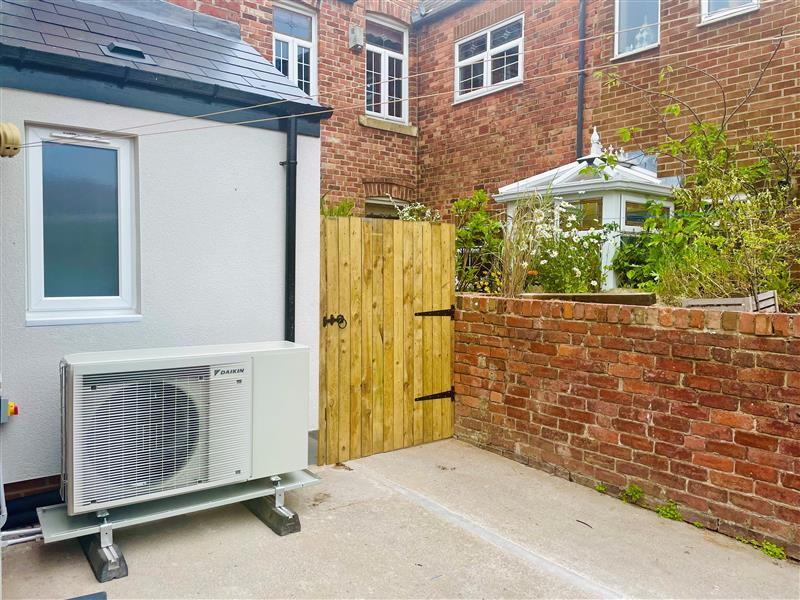
With the UK government’s ban on gas boilers in new homes starting as soon as January 2025, air source heat pumps are set to become the heating system of choice for many households. If you’re new to heat pumps or considering making the switch, understanding the importance of regular servicing is crucial to getting the most out of these systems.
Table of Contents
Why is the gas boiler ban Happening?
The ban on gas boilers is part of the UK’s plan to reach net zero carbon emissions by 2050. Gas boilers contribute significantly to carbon dioxide emissions, a key driver of climate change. From 2025, all new homes will need to use more sustainable heating systems, such as air source heat pumps. These systems use electricity to extract heat from the air, making them a much greener option.
Regular upkeep of a heat pump
Like any heating system, heat pumps need routine care to ensure they operate efficiently and last a long time. Here’s why regular servicing makes a big difference:
- Maximising efficiency – Over time, dust and debris can accumulate in your heat pump’s filters and coils. This reduces airflow, forcing the system to work harder and potentially increasing your energy usage. Regular servicing keeps everything clean and efficient, helping to keep your energy bills in check.
- Preventing costly repairs – Small issues, like a refrigerant leak or a worn component, can escalate if not addressed early. Annual servicing can help catch these problems before they turn into expensive repairs or system failures, giving you one less thing to worry about.
- Extending the lifespan – Heat pumps can last up to 20 years with proper care. Routine servicing ensures your system stays in good working order for as long as possible, making sure you get the most value out of it.
- Maintaining your warranty – Many manufacturers require proof of regular servicing to keep your warranty valid. Missing a service could leave you responsible for costly repairs that would otherwise have been covered.
What to expect from a heat pump service
During a typical heat pump service, a technician will inspect refrigerant levels, clean or replace filters, check electrical connections, and make sure components like the compressor and fans are functioning properly. They will also check for any signs of ware or damage that could lead to future problems. This kind of routine check-up helps maintain the system’s efficiency and reliability.
Looking ahead – Heat pumps and the future of heating
With the gas boiler ban approaching, it’s expected that air source heat pumps will become increasingly common, especially in newly built homes. This shift is part of a broader effort to reduce carbon emissions across the UK, making homes more energy efficient.
If you’re considering switching to a heat pump, it’s helpful to consider about how well insulated your home is. Heat pumps provide a consistent, lower-level heat, so although heat pumps are suitable for most property types, they work especially well in homes that retain heat easily. If insulation is tricky for you, chat with an experienced heat pump system designer and installer about pairing a heat pump with larger radiators or underfloor heating to get the most out of it.
Conclusion
Switching to a heat pump is a great way to make your home more sustainable. And regular servicing is key to ensuring your heat pump runs efficiently, lasts longer, and avoids unnecessary repairs. Whether you’ve just installed a heat pump or are thinking about making the switch, building annual servicing into your routine will help you get the best performance from your system, keeping your home warm and your energy use in check for years to come.