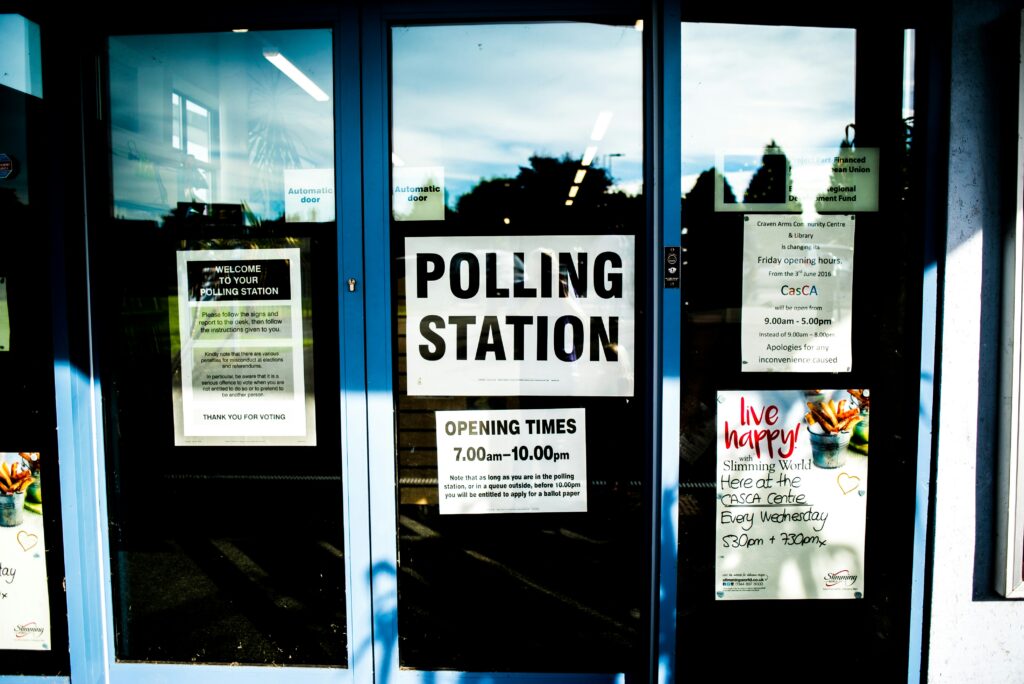
On May 22nd, Rishi Sunak surprised the nation by calling for the dissolution of government, and an earlier general election than expected. Somewhat fittingly, this general election will be held on the 4th of July (the day in which America celebrates Independence Day).
According to the Economist, if the general election was to be held tomorrow, Labour would win by an absolute landslide. Unsurprisingly, 2/3 people believe it is time for a change, across all demographics, including age, gender, ethnicity, religion, and income level. The UK hasn’t seen this level of certainty since Tony Blair, Labour ran for Prime Minister. Similarly, people believe Keir Starmer is ready to form the next government, more than at any point for a Labour leader, since Tony Blair was in power.
During the Conservative’s reign, we have seen inflation rates rise astronomically, the cost-of-living crisis hit an all-time high, U-turns made on several green/sustainable goals, threats of privatising the NHS, Brexit, number of food banks increase exponentially, and more government debt going unpaid than ever. Examples of these damaging U-turns include delaying the ban of new petrol/diesel cars by another 5 years and relaxing the decision to phase-out the installation of new gas boilers, framing it as ‘pragmatic’ and kind to households struggling financially.
One may argue that the Conservative Party has done some good, given that inflation recently dropped to 2.3%, the lowest it has been since 2021, and the closest it has been to the Bank of England’s 2% target. We must not forget that the Conservative Party were in office when inflation stood at 11.1% in recent years. Most importantly, we must also acknowledge that the Bank of England and recent price drops in global energy are responsible for this decrease in inflation, despite Sunak’s best efforts to claim the decrease as his doing. Sunak went on record saying this was “proof that the plan and priorities [he] set out are working”.
In light of the upcoming general election, he said, “this hard-earned economic stability was only ever meant to be the beginning”, and asked: “The question now is how, and who, do you trust to turn that foundation into a secure future for you, your family and our country?”. Similar attempts for popularity have been made by Conservation MP Jeremy Hunt, suggesting that if the Tories win the general election they will eliminate the price of national insurance altogether.
Considering the recent turbulence we have endured, the Labour leader, Kier Starmer, says the recent announcement for an election was the “moment the country needs and has been waiting for“. Given that we remain sceptical of politicians and government in general, Stark acknowledged these apprehensions by remarking that “we have changed the Labour Party”, by “[returning] it once more to the service of working people”.
While this all sounds well and good, what are the Labour Party actually promising if they reclaim a position of power in government? Starmer has set out six key policies that he will be prioritising, should Labour win. The first of these is ‘Sticking to tough spending rules in order to delivery economic stability’. While this is fairly vague, it does suggest that inflation costs and energy prices will hopefully decrease/continue at a lower rate; we are all eager to see light at the end of the dark tunnel: the current cost-of-living crisis.
Another first step would be ‘Setting up Great British Energy, a publicly owned clean power energy company’. This mission set out by Labour seeks to harness sun, wind, and wave energy as a green solution to tackle the current climate crisis. Specific promises made within this include: saving £93bn for UK households, delivering 100% clean power by 2030, creating thousands of jobs, and cutting energy bills for good. As wonderful as this sounds, it has been labelled as a ‘ruse to funnel public funds into corporate profit making’. This is because, although it sounds like a publicly-owned energy supplier, it will instead harness public money to create a green energy organisation that private energy companies use to ‘keep ripping us off’. While the financial benefits of Great British Energy are unclear, we can say that the Labour government will be ramping up renewable energy in the UK.
Starmer’s initial policies also include cutting the NHS waiting list by a staggering 40,000 appointments each week, recruiting 6,500 teachers, and growing the amount of neighbourhood police officers we see patrolling the streets. Some say Stamer’s goals sound an awful lot like Tony Blair’s promises – most of which he made good on.
However you choose to vote this summer, make sure you do your own research beforehand and go with the party you feel most appropriately aligns itself with your values. We are fortunate enough to live in a country where our voice can be heard, so make sure it is!