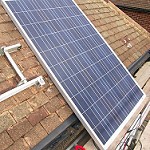
Here at YouGen we’re producing a blog series which look at some examples of ‘mis-selling’, used by a small number of rogue traders in the renewables and energy efficiency industry. Although mis-selling is a trend which appears to be on the increase, there are also rising numbers of reputable organisations which are attempting to eradicate this form of bad practice by making sure customers stay informed. Here is a blog written from the perspective of Lorraine Haskell from RECC which covers what you need to know on the subject.
The Renewable Energy Consumer Code (RECC) is approved by the Chartered Trading Standards Institute, and sets out the high standards of consumer protection in marketing, selling and the after-sales service, which should be expected by domestic consumers who have chosen to install renewable energy and other equipment related to that energy generator.
The attractiveness of renewables is growing, as equipment costs fall and governments – including our own – are setting out plans and providing incentives for investment in a ‘low carbon industrial future’.
On the back of any successful industry, however, there comes the potential for mis-selling; companies on the lookout for a ‘fast buck’ can take advantage of unwary householders or small businesses, offering incomplete, inaccurate or – in the worst cases – downright false information.
RECC is aware that a growing number of home-owners who already own, or are considering installing, solar PV systems or related products, have been coming under increasing pressure from companies cold calling and offering 'upgrades' and ‘add-on’ services for their systems.
When approached by a company offering ‘add-on’ goods or services you should first ask them how they got your phone number. If you’re not happy with their response, you shouldn’t pursue the call. If your number is listed on the Telephone Preference Service (TPS) you should not receive any cold calls at all. If you do you can consider reporting the matter to the Information Commissioner’s Office.
Offers come in several forms and may be perfectly legitimate and worthwhile. However, in some instances, these products are being mis-sold. Offers include (but are not necessarily limited to) the sale of domestic-scale battery storage systems; voltage optimisers; diversion devices; energy saving equipment such as LEDs (light-emitting diodes), extended warranties and insurance. Some companies are also offering consumers replacement inverters, telling them that their original inverter is not performing well or is not efficient.
Making the right choices is not always straightforward and you should consult the information available from impartial sources (such as RECC, YouGen, or the Energy Saving Trust) to see if you are likely to benefit.
Certainly, you should not agree to any offer of goods or services without considering carefully whether you need the product or service being offered. These types of products and offers can sometimes benefit consumers, but they do not always live up to the claims made for them.

Battery storage systems are becoming increasingly popular but householders considering them should weigh up the pros and cons carefully. Equipment costs are falling, but achieving a financial payback for most domestic users is currently unusual and depends on particular circumstances. RECC has produced a guide, in association with technical experts BRE which includes twenty questions people interested in domestic energy storage should ask their potential installer (Link).
Voltage optimisers are another popular ‘add-on’ being offered. They can be called many names like a ‘magic box’, for example. They reduce the voltage of the electricity entering your home and as a result, it is claimed, save you money on your electricity bills. RECC has found, however, that there is no robust evidence to support claims of 10-15 per cent ‘typical’ savings. Conversely, one study that BRE judged to be ‘robust’, found that the voltage optimisers tested led to an average reduction in electricity demand of close to 5 per cent. The study also found a wide variation in impact with electricity demand actually increasing in one home, while in another the reduction was 19 per cent (Link).

Choosing a company that is a member of RECC (and who will normally display the logo on their website) means they have been through a robust accreditation process. This provides you with protection, and means that any marketing claims they make should be accurate and honest.
· Code Members must make sure that any verbal statements and advertising and sales promotion materials do not mislead Consumers in any way and that they do not lead Consumers into taking decisions they otherwise would not have done.
· Code Members, their Employees and those who sell on their behalf must not give false or misleading information about their business or the product, services or facilities being offered. They must not make any statement that is likely to mislead a Consumer in any way.
· Code Members whose representatives contact Consumers by telephone must ensure that their representatives comply with best practice at all times, as set out in Telephone Preference Service Assured’s guidance on outbound telemarketing best practice.
· Code Members, their Employees and those who sell on their behalf must ensure that any estimate of savings, periods of recovery ('payback') or other measures of financial effectiveness they provide to Consumers are provided in writing and are based on Consumers’ actual energy use and pattern of energy use. Any assumptions that have been made (for example, about future energy prices, interest rates or inflation) must be set out, clearly explained and attributed to a reputable source.
RECC can also help consumers of accredited companies, who may have a dispute with their installer but cannot resolve this with them directly, where disputes fall under the remits of the Code.
RECC guidance on supplementary solar PV equipment: https://www.recc.org.uk/pdf/guidance-on-supplementary-solar-pv-equipment.pdf
BRE/RECC: Batteries and Solar Power: Guidance for domestic and small commercial consumers: http://www.bre.co.uk/filelibrary/nsc/Documents%20Library/NSC%20Publications/88031-BRE_Solar-Consumer-Guide-A4-12pp.pdf
RECC guidance on faulty or underperforming system issues: https://www.recc.org.uk/pdf/faqs-for-faulty-underperforming-systems.pdf
More information: www.recc.org.uk, or contact RECC on 0207 981 0850.
Take our 10 second poll
We'd love to know how useful you found this page.
Please take our 10 second poll to see the votes to date.