


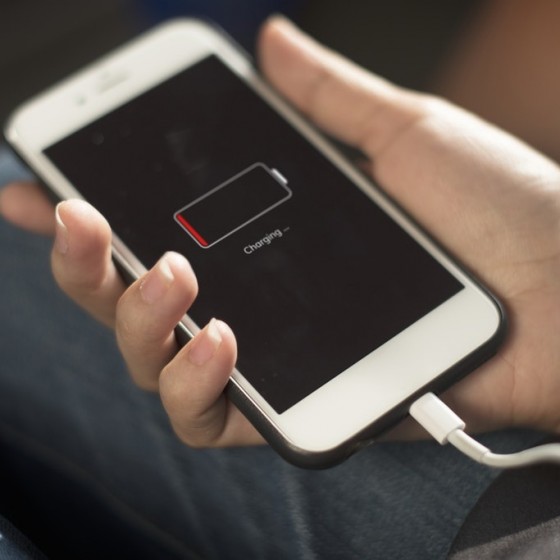
The current battery technology used in consumer electronics these days are batteries based on lithium architecture. You can find them listed under the names of lithium-ion battery, lithium battery or LIB for short.
A battery works by the principles of electrochemistry, which means that the battery charges and discharges by chemically changing its structure and the electrode composition. Upon charging and discharging, a process known as cycling, the battery’s lifetime and its performance will eventually decrease, making your electronic device store less charge for the same amount of time.
The normal lifetime of a laptop battery is estimated to be 2 years, and the lifetime of the current smartphone battery is around 1.5 years. After this the electronics manufacturers advise to switch the device to a new version. This is not only done to keep the money flowing to the companies, but it is also advised in the interests of the user’s safety. When damaged or overused the batteries can leak and catch on fire, as they contain flammable liquid inside.
Here are a few things that a user has to keep in mind if they want to give their device the best chance at performing well long-term:
1. High Temperatures
Many people experienced their laptop heating up during its use, which is detrimental to the battery lifetime. High temperatures strongly affect battery degradation and it is advised to keep your laptop on an insulating material, such as an office desk, rather than your bedsheet, for instance. The latter would result in your laptop transferring heat to the surface, and the surface back to the laptop, which would heat up the device more. Computer stands and fans are commonly used to combat against this overheating. It is also encouraged not to leave devices in a car on a sunny day, or to leave your cell phone in a warm pocket for this reason. In general, avoid high temperatures.

2. Extreme charging and discharging
Consumer electronics manufacturers also advice the users not to charge and discharge the material to the extremes – 100% and 0%. As the voltage is applied when the battery is overcharged, the result is the charge build-up on the battery electrode. When the process is reversed, not all ions can migrate to the opposite electrode, thus decreasing the ultimate battery performance. Interestingly enough, the same logic also applies to fully discharging the device. The best time to plug the device back on charge it is when the first warning comes on the screen to do so.
3. To each their own
Each consumer electronics device comes with a cable to charge it with. If the cable is damaged, it is tempting to get a cheaper alternative rather than the branded one. However, using a different cable with a higher power rating will affect your device performance negatively. So getting a cheaper cable may save you £10 in the short term, but your device might not last as long.

Conclusion
As the battery degrades, it is able to store less energy and subsequently it needs to be charged more frequently to operate for the same amount of time. Many components in electronics are not recycled, and thus changing your devices frequently would also increase your carbon footprint. So keeping those tips in mind will help you prolong the lifetime of your battery, which translates to the longer service life of your device.





