


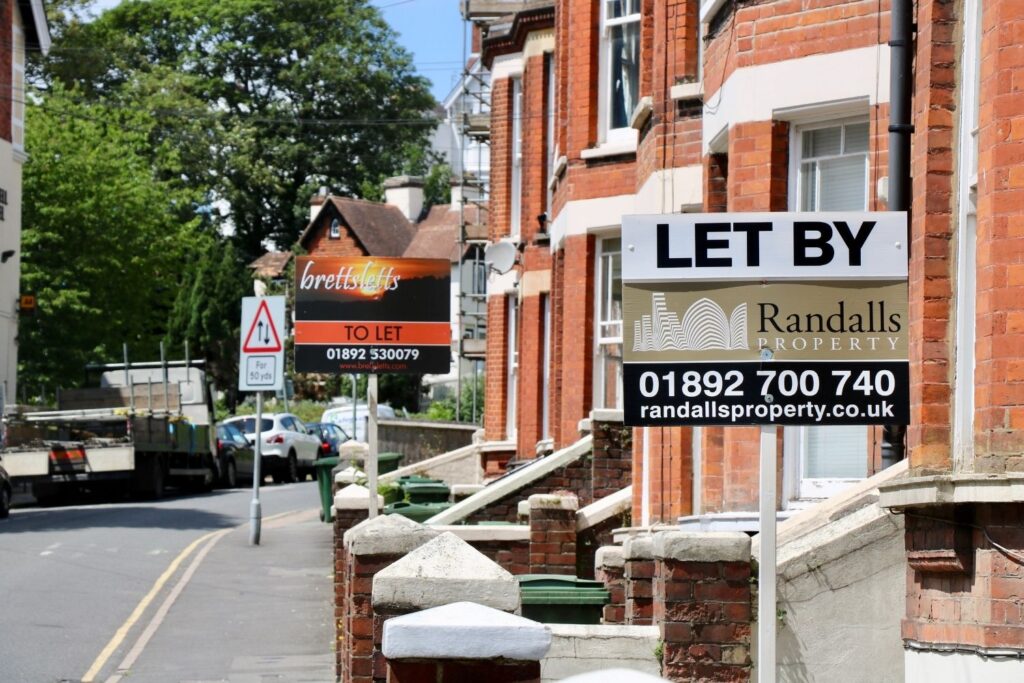
If you were renting, with only 6 months on the contract, would you ask your landlord to insulate the house, or to fit double glazing when they took weeks just to repair a blocked kitchen drain? As a tenant, it can feel uncomfortable. Housing for my generation is at best unpredictable, and at worst precarious to the point of traumatic, meaning tenants are often keen to avoid being perceived as ‘difficult’. ‘Difficult’: making any greater demand than dwelling without decorating the walls or leaving marks on the floor- and of course paying the rent on time.
I’m a passionate environmentalist who has spent the last year navigating the hostile world of the rental market. I’m 29, and like the vast majority of people in my generation, I rent, sharing the kitchen and bathroom with four others in a similar age group and position. This arrangement is officially termed a HMO- a house of multiple occupancy.
Having accepted that renting was the only option open to me as the Covid-19 pandemic swept the UK, I was keen to live in the most low-impact way possible in the houses I rented. Yes, houses in the plural- I live in Bristol, where renting is especially tough, and have moved house four times since September 2020.
As the recent IPCC report states, we are in a climate emergency. Real low-impact living requires so much more than refilling the washing up or laundry liquid bottle with a biodegradable alternative and composting everything possible- meaningful as these actions are. At a recent online webinar on sustainable housing, I felt that whilst inspiring, the advice being offered- spanning retrofitting, heat pumps and solar PV – overwhelmingly took home-ownership as a given.
This was frustrating because it simply did not reflect what I knew to be reality. In 2017, the most recent year for which records are available, the Office for National Statistics found that 4.5 million people lived in rental accommodation- up 63% from 2007. Given the UK’s pledge to reach Net Zero by 2050, sustainable energy advice urgently has to speak to those who have not bought their home, and consequentially have little to no control over sustainable home upgrades. Given the state of the UK housing market, many may never own their own home, either.
Just what are the barriers to making sustainable choices when renting? Even finding a house can be a hurdle. Energy Performance Certificates, or EPCS, are a snapshot of a home’s energy efficiency, compulsory when a property is bought, sold or rented, rating a property from A to G. I checked my current home’s rating whilst writing this piece- it scrapes in at D, along with most of the properties on the street. To be clear- this is bad. Shockingly, the 2018 Domestic Minimum Energy Efficiency Standard (MEES) Regulations set a minimum energy efficiency standard for domestic private rented properties, and state that an EPC below D should not be let. There is some help available for landlords with low-income tenants to help them meet the targets, but it is complicated to access.
Being able to consider energy performance is a choice simply not open to all, however. When house hunting recently, my partner and I needed a room which was within our monthly budget; accepted couples; did not have a minimum income stipulation or excessive upfront deposit, and was close to the public transport links we both relied on for work. These things alone ruled out the vast majority of properties we could consider. Including energy performance into the mix felt like a luxury of choice we could not afford to make, however passionately we cared. I know we are far from being alone in this position.
What problems do utility bills themselves pose to renters wanting to make ecologically sound choices? A common arrangement in the rental sector, ‘bills included’ tenancies are often seen as hassle-saving and convenient. With fuel poverty in the rental sector a serious concern, bill arrangements like these can feel like they give tenants a lucky break.
But the landlord chooses the provider and will often go with the lowest price, rather than the most sustainable provider. In some cases, tenancy agreements do not even allow tenants to request changes of the provider. Further, there is a lesser incentive to be mindful of energy consumption, given that the price paid to the landlord for these utilities will not change depending on usage.
Hopefully, by having conversations about the issues the rental market causes for low-impact housing alterations and energy provision, we can find a collective way forward which works for our planet, and those generations like my own tied to rented housing.





