Author: Amita Mehta
With rising energy costs and growing environmental concerns, small measures can help you save significantly on energy expenses in the home. Focusing on energy-efficient appliances and addressing common issues like condensation can make a huge difference.
According to the Energy Saving Trust, simple lifestyle changes could help save households up to £351* a year on their energy bills (for a typical three-bedroom, gas-heated home in Great Britain).
This blog explores practical tips for homeowners in the UK to improve energy efficiency and tackle condensation effectively.
Table of Contents
Understanding Energy-Efficient Appliances
Energy-efficient appliances are designed to use less energy while delivering the same level of performance as their less efficient counterparts.
1. Choosing the Right Appliances
When purchasing new appliances, look for the Energy Label, which rates efficiency from A+++ (most efficient) to G (least efficient).
2. Smart Technology
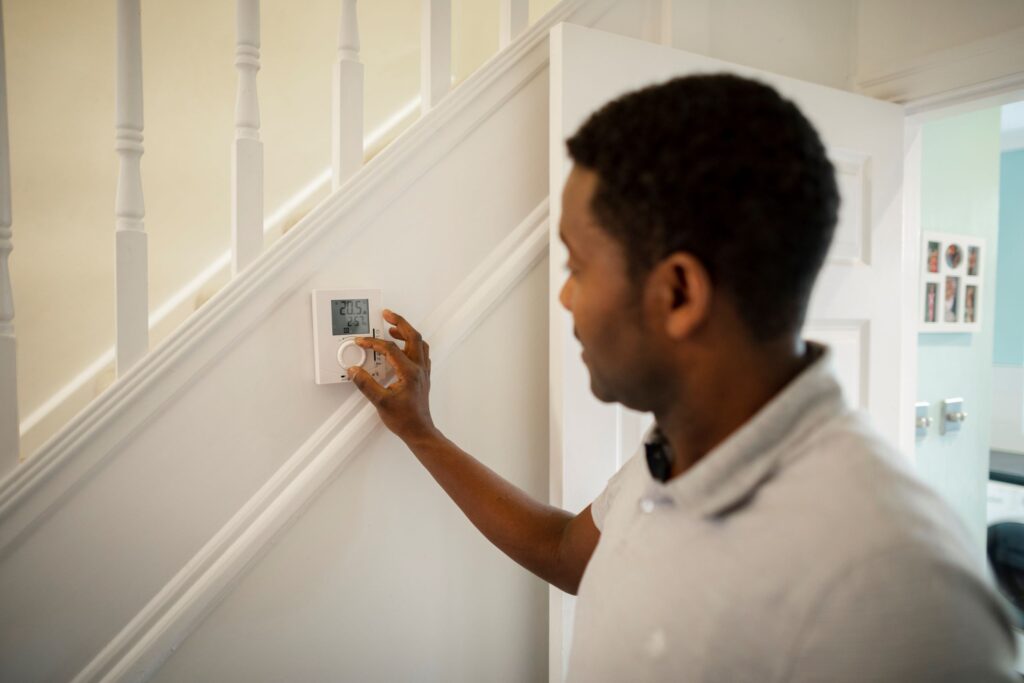
Consider integrating smart technology into your home. Smart thermostats can reduce heating bills by up to 22%, according to a study by Gemserv.
3. Regular Maintenance
Keeping appliances in good working order is essential for maintaining their efficiency. Regular cleaning and defrosting can prevent energy wastage.
Tackling Condensation Issues
Condensation is a common problem in many UK homes, especially in the winter months. It occurs when warm, moist air comes into contact with cold surfaces, leading to dampness and potential mold growth.
The UK government finds that around 904,000 homes in England had damp problems in 2021, which can significantly affect health and energy efficiency.
1. Improved Ventilation
One of the most effective ways to combat condensation is by improving ventilation. Installing extractor fans can reduce moisture levels significantly.
2. Insulation
Good insulation helps maintain a consistent temperature, reducing the likelihood of condensation. Cavity wall insulation could save you up to £200 a year.
3. Humidity Control
Use a dehumidifier to manage moisture levels in particularly damp areas, such as basements.
4. Window Treatments
High quality double-glazed windows can reduce heat loss by up to 50%, significantly lowering the chance of condensation. If replacement isn’t an option, using thermal curtains can help maintain warmth and reduce condensation on window surfaces.
The Benefits of Energy Saving and Home Improvement
Investing in energy-efficient appliances and addressing condensation not only leads to lower energy bills but also contributes to a more comfortable living environment.
Homes that are well-ventilated and insulated are less likely to suffer from dampness and mould, which can have serious health implications. Moreover, adopting energy-efficient practices reduces your carbon footprint.
Small Steps, Big Impact
Making small changes can yield significant benefits over time. Here are a few easy steps to get started:
1. Audit Your Home
Conduct an energy audit to identify areas for improvement. This can include checking drafts, assessing insulation, and reviewing appliance efficiency. Tools like the Energy Saving Trust’s online calculator can help estimate potential savings.
2. Start with One Room
Focus on making energy-efficient upgrades in one room at a time. Whether it’s replacing an old fridge or improving ventilation in the kitchen, taking it step-by-step can make the process manageable.
3. Stay Informed
Keep up-to-date with new technologies and government initiatives aimed at energy efficiency. The UK government offers various programs to provide financial support for energy-efficient home improvements, such as the Warm Homes Local Grant.
Find out more about what financial support is available here.
Conclusion
In conclusion, focusing on small measures for energy saving and home improvement is not just a trend, but a necessary step toward a more sustainable future.
By investing in energy-efficient appliances, enhancing ventilation, and tackling condensation, homeowners in the UK can enjoy a more comfortable living environment while significantly reducing their energy bills.
Remember, every small change contributes to a larger impact, paving the way for a greener, more energy-conscious society.
For even more home energy saving tips, take a look here.
*Figures from July 2025, in accordance to Energy Saving Trust#
Asmita Mehta, Futures Designer and Researcher