


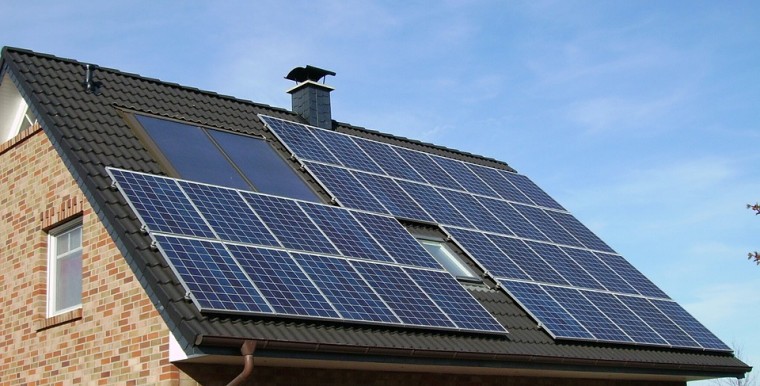
Solar is arguably the most intuitive power source we can ever use, and since 2010 is has been contributing a significantly increasing proportion of electricity to the National Grid. Last month it was reported that the UK solar broke the record for weekly output between 21 and 28 June, producing 533 gigawatt hours of power – enough to power all the UK’s 27m households for over 16 hours!
With much of the UK experiencing an unusually generous spell of good weather, we’d like to take this opportunity to answer five of our most frequently asked questions about solar electricity.
1) How much will solar PV panels cost?
According to the Energy Saving Trust, installation of the average domestic solar PV system is 4kWp and costs between £5,000 – 8,000 (including VAT at 5 per cent). If you shop around, you can find offers cheaper than this, however you must always make sure your supplier is accredited by The Microgeneration Certification Scheme (MCS). The panels should operate effectively for at least 25 years, but the inverter is likely to need replacing during this time.
However this upfront cost is then offset by the money you can earn by from the production of electricity generation by your solar PV. By generating electricity through solar, you can benefit from reduced energy bills, as well as income through the Government’s Feed-in-Tariff scheme (due to close to new applicants on 1st April 2019) which is paid over a period of 20 years.
What you earn from such financial incentives will depend on the size of the array, when you signed up to the scheme and whether you’re at home during the day.
2) Does solar increase the value of my home?
The average Briton moves house 8 times in their life, whereas a solar PV array has a lifespan of approximately 25 years. This means that selling a house with solar panels is starting to be a more common occurrence.
In most cases, the income from the Feed-in-Tariff is transferred to the new homeowner, meaning that the cost you incurred by installing solar panels would ideally be recouped through an increase in the sale price. However, a 2017 Which? survey of estate agents’ experiences revealed that solar PV will generally not increase the price of your home when you come to sell it, with 67% of respondents stating it will ‘make no difference to the property value’.
Professional estate agents’ body NAEA Propertymark state that you need to highlight the benefits of solar PV in terms of savings. This includes reduced energy bills, guaranteed income from the Feed-in-Tariff and a much lower carbon footprint.
So it would seem that the onus to communicate the benefits of solar panel to the buyer is on you, as there is little information coming from estate agents themselves. Therefore it’s down to you to provide your estate agent with as much information and proof as possible, such as low electricity bills and FiT statements, as well as the mandatory EPC (Energy Performance Certificate) chart.
Find out more about solar and selling your house.
3) Should I invest in battery storage?
If you are not at home during the day in the summer months it is likely that you will be unable to use all the electricity your solar panels are producing. This means that the majority of what is generated will have to be sold back to the grid for a lot less than you will have to pay for the electricity you need later on.
This is the problem that a battery helps to solve. It can store the solar energy that’s generated but not used at the time, so you can use it later on when your system isn’t generating.
However you need to consider a number of factors to determine whether such an investment would be worthwhile, including usable capacity, power output, cost and lifespan. There are a lot of options on the battery market and this can prove to be a bit of a minefield when making a decision.
Take your time making the right judgment and grill your installer to check that they are offering you the best solution for your home.
Find out more about what to bear in mind if you’re thinking of buying a battery.
4) How do I know whether I should replace my inverter?
An inverter is a necessary part of your solar PV system, converting DC electricity generated from your solar panels to AC which allows you use the electricity in your home or export it back to the national grid. It’s likely that at some point during your solar panels’ lifespan that you will have to replace your inverter, usually at a cost of around £500-800. However, it’s important that you get informed so that you make the decision on your own terms.
An increasing number of homeowners with existing solar PV systems have been approached about replacing their inverter through cold calls. These companies offer a service or ‘health check’ to see if their system is working correctly and then afterwards suggesting the inverter needing replacing, even when it doesn’t.
Find out whether you need to replace your inverter by checking out our blog on the subject.
5) Do I need to maintain or clean my panels?
We recommend you consult with your installer for exact maintenance requirements before you commit to installing a solar PV system. However it’s worth mentioning that generally speaking, solar PV should need little maintenance as long as you’ve chosen a reputable installer and keep the panels relatively clean.
Whether or not you need to hire in specialist cleaners to service your solar panels sparks something of a debate between owners of solar panels. In the UK, roof-mounted systems are arguably self-cleaning, as rain-water washes away the majority of the dirt that gathers on the surface.
If you’re seriously considering using commercial cleaning services, try and calculate whether the cost of cleaning is worth any increase in PV generation afterwards which is likely to be small. Remember that the performance of solar panels does fall off gradually over their life time in any event so some reduction in output should be expected. This degradation is usually highest in the first year (around a 2% reduction in performance would be normal) and more steady in the following years at less than 1% per annum. After 25 years you should still expect your panels to be producing at least 80% of the electricity they generated when they were new. The data sheet for your solar panels will provide more information on this.
See more in our guide: How do you clean solar panels?
Further information
More information about Solar Electricity on YouGen.
Need help with any Jargon?
Sources
https://www.ofgem.gov.uk/ofgem-publications/76160/13537-elecgenfactsfspdf https://which.co.uk/news/2017/07/do-solar-panels-affect-the-value-of-your-home/





